


Table of Contents
If you’ve just moved to Tenerife —or you’re planning to— you’ve probably already asked yourself some very basic but important questions:
How do I pay for water? Who collects the rubbish? Why is electricity more expensive in the Canary Islands? What paperwork do I need to settle in?
This guide explains, in simple and practical terms, how essential utilities work in Tenerife, so your first months on the island are stress-free.
1. Water in Tenerife: what you need to know
Water works differently in Tenerife compared to many European countries.
There are two key points:
1. Tap water is safe for domestic use, but not always recommended for drinking
In most municipalities, tap water is safe for showering, cooking and cleaning, but it’s not usually recommended for drinking due to its strong mineralisation or taste.
Many residents prefer bottled water or domestic filters.
2. Water service depends on the municipality
There is no single island-wide provider.
Depending on where you live, the service may be managed by:
- Emmasa – Santa Cruz de Tenerife
- Teidagua – La Laguna and Tacoronte
- Aqualia – Icod, Adeje, Guía de Isora and others
- Canaragua – Puerto de la Cruz, Arona, Granadilla
- Small municipal companies in rural areas
So your first step is simply asking the landlord or local council which company corresponds to your area.
3. How to register or change the contract
If you are renting, usually:
- The water supply is already active.
- You only need a change of account holder, providing your NIE, rental contract and bank account.
If you buy a property, you may need to register or change ownership, often requiring:
- Property deed
- NIE
- Bank account
- Installation certificates in some cases
Average water cost
Water in Tenerife is relatively cheap:
- 1–2 person home: €10–€25/month
- Higher consumption: €25–€40/month
2. Waste collection in Tenerife: how it works
1. Who collects the rubbish?
Waste collection is run by each local council, usually through companies like:
- Urbaser
- FCC
- Valoriza
- Municipal services
2. What you’ll find as a newcomer
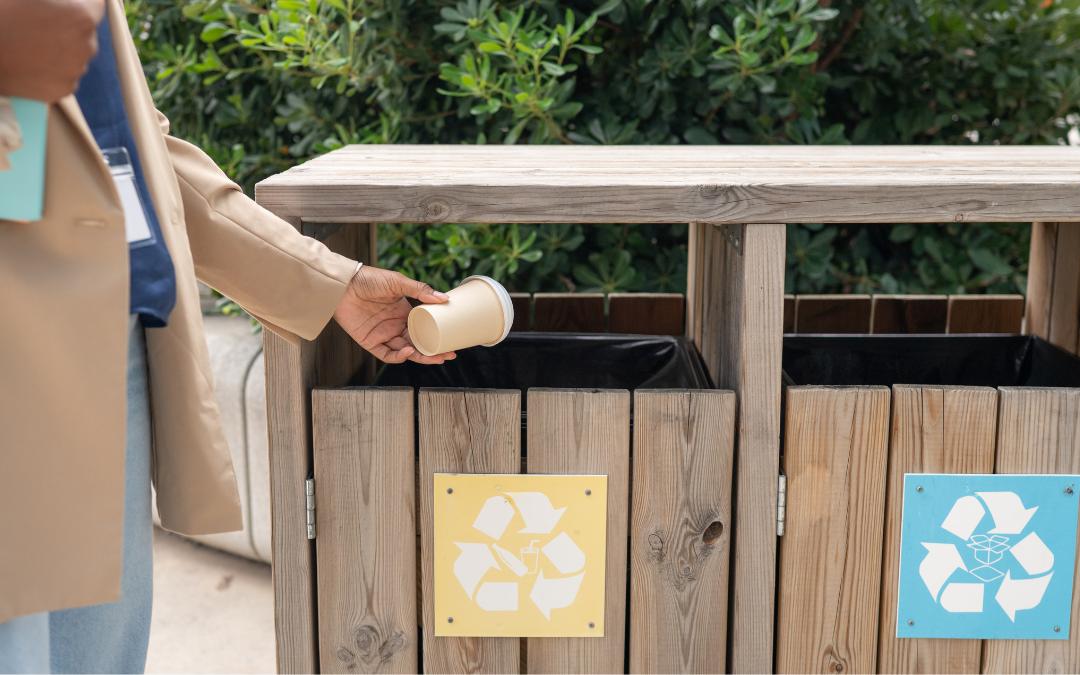
Standard bins across the island:
- Green → general waste
- Blue → paper/cardboard
- Yellow → packaging
- Green igloos → glass
In rural areas, you’ll also find “puntos limpios” (recycling centres).
Recycling centres (Puntos Limpios)
Managed by the island’s Cabildo, and free of charge.
You can bring:
- Furniture
- Appliances
- Paints
- Small construction debris
- Clothing
Main centres are located in:
La Laguna, Adeje, Güímar, Buenavista, Arona and Puerto de la Cruz.
3. Waste collection fee
This is a municipal tax, usually charged:
- Together with the IBI property tax (if you own), or
- As a separate yearly or quarterly bill (if you rent).
Cost: €40–€90/year, depending on the town.
3. Electricity in Tenerife: what newcomers should know
1. Electricity companies
As in the rest of Spain, you can choose your electricity provider.
Most common ones:
- Endesa (the most widespread)
- Iberdrola
- Naturgy
- Repsol Luz y Gas
- Smaller companies (Holaluz, TotalEnergies, etc.)
The physical network is the same — you only choose the supplier.
2. Why electricity is more expensive in the Canary Islands
Because electricity is mostly produced using imported fuel, making generation and transport more costly than in mainland Spain.
Even so, prices follow the national Spanish system, not a local one.
3. How to change the electricity contract
If renting:
- Normally you just change the account holder, not the contract itself.
- You’ll need your NIE, rental agreement and a bank account.
If buying:
- You may need to register the supply or change ownership with the deed and personal details.
Average electricity cost
- Small home/low consumption: €40–€70/month
- Standard home: €70–€100/month
- With air conditioning/heat pump: €100–€150/month
Useful tips for new residents
1. Check your electrical capacity
Many older homes have low contracted power (2.3 kW).
If the power trips often, you may need to increase it (additional cost).
2. Water taste varies by area
Most residents use low-cost household filters (€20–€40).
3. Don’t leave furniture on the street
Call the council’s bulky-waste pickup service or go to a recycling centre to avoid fines.
4. Review your electricity tariff
Some homes still have outdated, expensive tariffs — easy to fix with a contract update.
In summary
Tenerife is an excellent place to live as a retiree, but basic utilities work differently from many European countries.
With this guide, you now know:
- How water, electricity and waste collection work
- How to register or transfer contracts
- What you’ll pay on average
- How to recycle furniture and appliances
- Practical tricks to avoid unnecessary expenses
If you need help settling in — Asesoría Quintero can assist with:
- Municipal registration
- Utility contracts
- Health registration (S1)
- Tax obligations
- Residence procedures for you and your family
Related information
For further information, see What to Do During Your First 90 Days in Tenerife as a Foreigner and Tenerife: 2025 Immigration Regulation Updates and How They Affect Bringing Your Family.
Official source: Spain’s General Administration portal.


0 Comments